What Nobody Tells You About Kansas City's 2026 World Cup Host City Experience
Kansas City, Missouri, emerges as one of eleven North American host cities for FIFA World Cup 2026, welcoming hundreds of thousands of international visitors to the Heartland. The metropolitan area sp...
What Nobody Tells You About Kansas City's 2026 World Cup Host City Experience
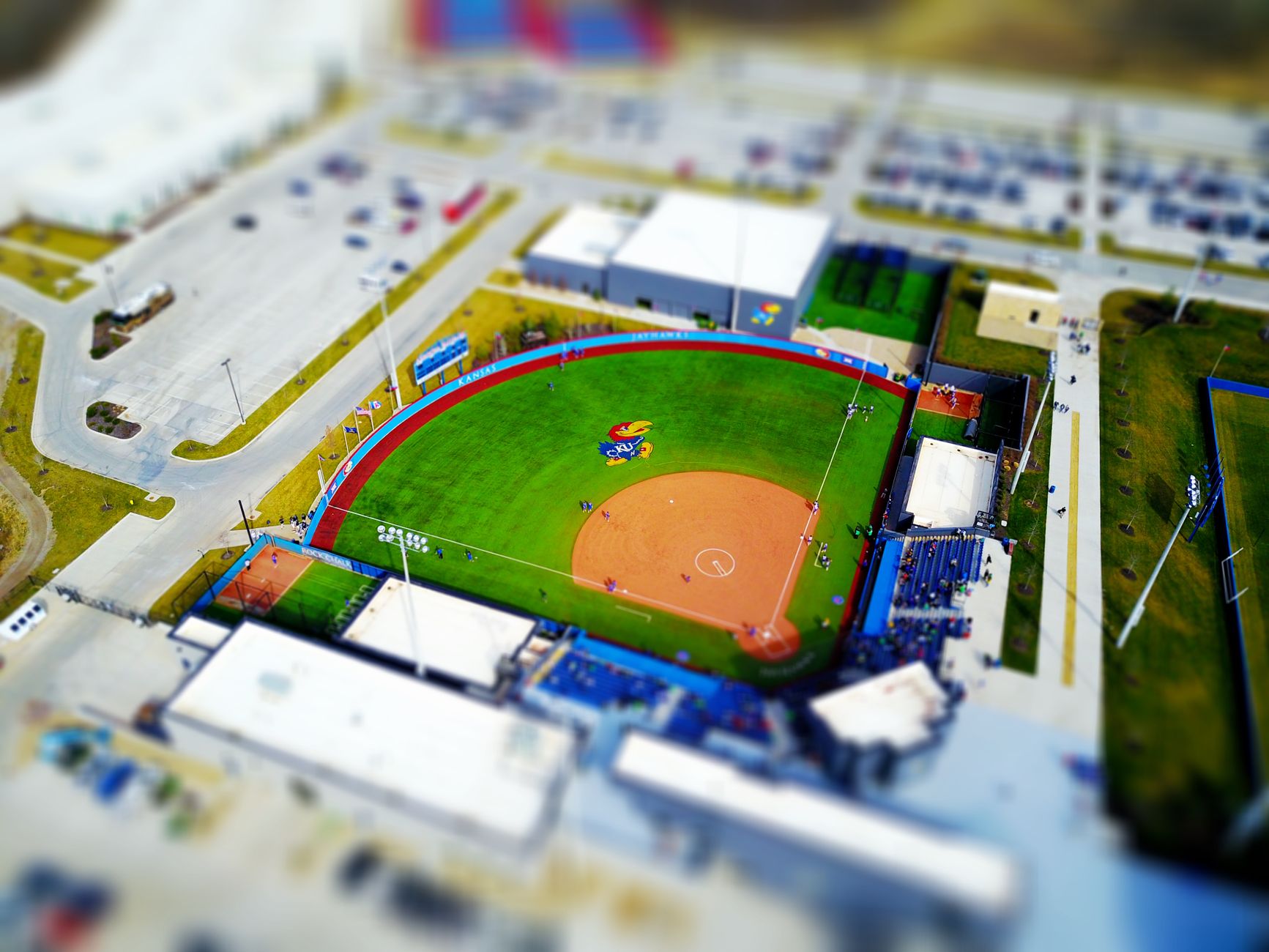
Kansas City, Missouri, emerges as one of eleven North American host cities for FIFA World Cup 2026, welcoming hundreds of thousands of international visitors to the Heartland. The metropolitan area spanning two states has undergone extensive infrastructure upgrades, including expanded motorcoach bus services connecting Kansas City International Airport, GEHA Field at Arrowhead Stadium, and the downtown FIFA Fan Festival zone. ConnectKC26 serves as the official transportation coordination system, offering match-day express routes and regional destination coverage across the Kansas City metropolitan area. World Cup Hub provides fans with real-time updates on transportation schedules, venue access protocols, and neighborhood exploration recommendations for visitors seeking authentic Midwestern experiences beyond the stadium grounds.
Photo by David McBee on Pexels
Before 2025: How Kansas City Prepared for Global Soccer
Kansas City's journey toward becoming a World Cup host city began years before the tournament announcement. City planners, transportation authorities, and community leaders recognized the economic and cultural opportunity presented by hosting one of the world's largest sporting events. The region's designation as the Soccer Capital of America by U.S. Soccer provided a foundation of existing fan enthusiasm and infrastructure.
Prior to 2025, Kansas City lacked the comprehensive transportation networks required for handling massive international visitor influx. Local transit systems operated independently without unified coordination between municipal boundaries. The existing sports venues, while popular for NFL games and MLS matches, required significant accessibility improvements to meet FIFA standards for international competition.
Regional hospitality services operated at local and national standards without the multilingual capabilities necessary for global tourism. Hotel capacity calculations did not account for the concentrated demand spikes that major tournaments generate. Community organizations had limited experience coordinating cultural exchange programs at the scale required for representing the Heartland to international audiences.
The Kansas City Sports Commission and Visit KC initiated early planning discussions, recognizing that hosting World Cup matches demanded transformation across multiple sectors simultaneously. Stadium accessibility, transportation integration, fan village development, and cultural programming required coordinated investment strategies spanning both Kansas and Missouri jurisdictions.
The 2026 Shift: Kansas City's Transformation Into a World Cup Host City
The announcement of Kansas City as an official FIFA World Cup 2026 host city triggered immediate mobilization across public and private sectors. GEHA Field at Arrowhead Stadium underwent renovations meeting FIFA technical requirements, including expanded media facilities, enhanced spectator seating, and upgraded pitch conditions. The stadium's 73,080-seat capacity positions Kansas City among mid-sized host venues, offering intimate viewing experiences compared to larger metropolitan stadiums.
ConnectKC26 emerged as the flagship transportation coordination initiative, unifying motorcoach bus services under a single operational framework. This system provides direct routes between Kansas City International Airport and stadium venues, eliminating the fragmented transit options that complicated previous major events. Match-day express services operate with military precision, moving thousands of fans per hour through dedicated corridor lanes.
The FIFA Fan Festival Kansas City represents the most significant cultural investment, transforming downtown Kansas City into an immersive celebration zone. The festival zone spans multiple city blocks, featuring live match screenings on massive LED displays, international food vendors, cultural exhibition spaces, and interactive entertainment experiences. Organizers project attendance exceeding 500,000 visitors across the tournament duration, positioning the Fan Festival as the largest sporting celebration in Midwest history.
Neighborhood development programs accompanied stadium preparations, with the city investing in hotel expansions, restaurant district upgrades, and public space beautification. The Crossroads Arts District, Westport, and the Power and Light District received targeted improvements, transforming residential areas into visitor-ready destinations. Local businesses received training on international hospitality standards, multilingual signage, and cultural sensitivity practices.

Photo by Diogo Miranda on Pexels
What Changed for Players and Teams Visiting Kansas City
International football teams arriving in Kansas City experience a dramatically different environment compared to traditional World Cup destinations in Europe and South America. The Midwestern location offers unique advantages including minimal jet lag for North American and European squads, spacious training facilities at partner institutions, and the legendary atmosphere of Arrowhead Stadium's notoriously loud crowd environment.
FIFA's host city requirements mandated specific accommodations that elevated Kansas City's offering. Teams receive dedicated practice facilities meeting international pitch standards, with the University of Kansas and Sporting Kansas City's Children's Mercy Park serving as primary training sites. Accommodation complexes provide privacy and focused preparation environments removed from downtown festival activities.
The altitude considerations differ significantly from other 2026 venues. Kansas City's elevation of approximately 750 feet above sea level presents minimal physiological challenges compared to Mexico City's high-altitude conditions or the mountain venues in the western United States. Medical staff from visiting teams have praised the climate predictability, allowing precise training load management without weather-related complications.
Security protocols received substantial upgrades, with FBI collaboration and local law enforcement implementing FIFA-mandated protection frameworks. Teams navigate airport arrivals through dedicated customs channels, bypassing standard immigration queues that delay arrivals at major international hubs. The efficiency measures reduce cumulative travel fatigue across the tournament schedule.
Local fan culture presents an unfamiliar but welcoming dynamic for visiting teams. Kansas City supporters, many supporting Sporting Kansas City in MLS competitions, bring American soccer enthusiasm to international match environments. The passionate but respectful atmosphere provides visiting squads with vocal encouragement without the hostile environments common at traditional European venues.
What This Means for Fans Attending Matches in Kansas City
Fan experience design in Kansas City prioritizes accessibility, safety, and authentic Midwestern hospitality. The ConnectKC26 transportation network operates 18 hours daily during match days, with frequency increasing to 15-minute intervals during peak arrival and departure windows. Digital wayfinding applications provide real-time crowd density updates, helping fans navigate stadium approaches and avoid congestion bottlenecks.
Stadium entry protocols balance security requirements with visitor convenience. FIFA standard screening procedures operate alongside expedited entry lanes for fans with digital tickets stored in the official FIFA application. Biometric verification pilot programs streamline repeat entries for fans attending multiple matches at the same venue. The integration eliminates the frustrating paper ticket queues that plagued earlier World Cup tournaments.
The FIFA Fan Festival zones extend the match-day experience beyond official venues. Downtown Kansas City transforms into pedestrian-priority zones, with streets closed to vehicle traffic and converted into festival corridors. The experience differs fundamentally from traditional World Cup host cities where fan zones operate as isolated compounds disconnected from urban life.
Neighborhood integration represents Kansas City's distinctive approach. Rather than confining visitors to entertainment bubbles, city planners designed experiences that encourage exploration of authentic residential areas. Visitors discover locally-owned restaurants, neighborhood bars, and community spaces that showcase genuine Kansas City culture. The approach generates economic benefits for communities beyond traditional tourism districts.
Accommodation options span diverse price points, from downtown luxury hotels to suburban extended-stay properties connected via ConnectKC26 services. The metropolitan area's hotel inventory expanded by 15% in preparation for 2026, with particular growth in mid-range options that serve cost-conscious international visitors. Short-term rental platforms offer additional flexibility for groups seeking home-style accommodations.
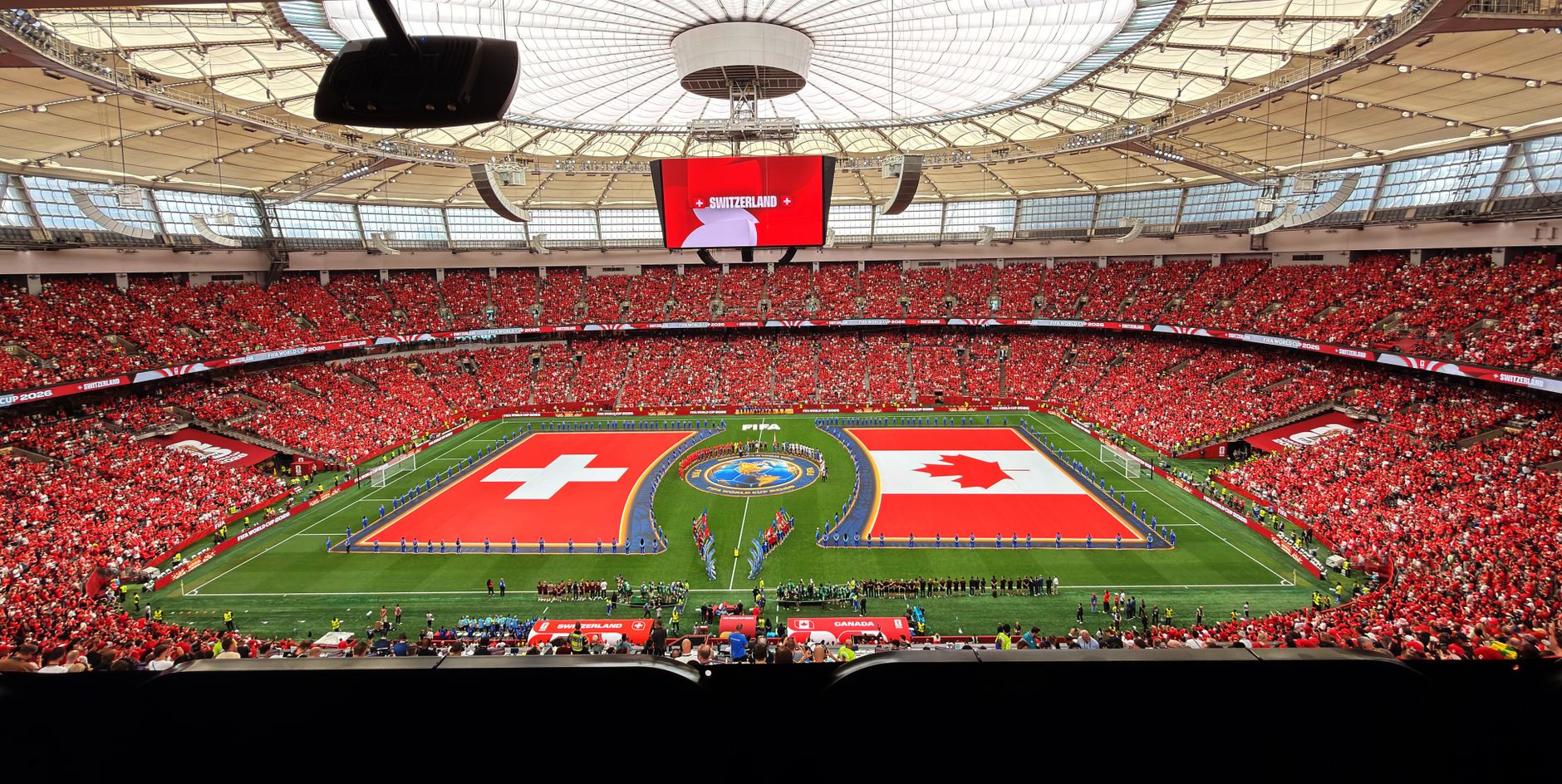
Photo by Rushi Patel on Pexels
Three Predictions for the Kansas City World Cup Experience
First, Kansas City's FIFA Fan Festival will establish a new model for World Cup entertainment that subsequent tournaments will replicate. The integration of authentic local culture, accessible pricing, and neighborhood-scale programming contrasts sharply with the corporate entertainment compounds that have dominated recent World Cup events. FIFA officials have signaled interest in expanding this model to other host cities, positioning Kansas City's approach as the new standard.
Second, ConnectKC26's transportation coordination system will demonstrate the viability of distributed host city networks for major tournaments. The challenge of moving visitors across a metropolitan area spanning two states requires solutions applicable to future tournaments in regions with similar jurisdictional complexity. Transportation data collected during 2026 will inform infrastructure planning for the 2030 and 2034 World Cup cycles.
Third, the Kansas City experience will reshape international perceptions of American soccer culture. The misconception that the United States lacks passionate football audiences persists despite MLS growth and the 1994 World Cup's success. Kansas City's enthusiastic reception of international teams and the quality of fan festival experiences will provide compelling counter-evidence, potentially influencing future World Cup host selection considerations.
The tournament schedule positions Kansas City as a group stage venue, with four matches scheduled during the opening rounds. The configuration provides international fans with concentrated opportunities to experience the city during peak festival programming. Knockout round potential exists if regional teams advance, extending Kansas City's window for international visitor reception.
Visitor spending projections estimate economic impact exceeding $400 million for the metropolitan region, with significant distribution across hospitality, transportation, and retail sectors. The windfall exceeds typical major event revenue, attributed to the extended festival programming and neighborhood integration strategies. Community benefit agreements ensure that economic gains reach beyond downtown business districts to benefit traditionally underserved neighborhoods.
The World Cup's legacy for Kansas City extends beyond immediate economic returns. Infrastructure investments in transportation, hospitality training, and event management capabilities create lasting improvements in the region's ability to attract international events. The tournament positions Kansas City as a credible candidate for future World Cup hosting, Olympic bid committees, and major sporting championships.

Photo by Giancarlo Rojas on Pexels
Frequently Asked Questions
Q: What is the FIFA Fan Festival Kansas City and when does it operate?
A: The FIFA Fan Festival Kansas City is the official celebration zone for World Cup fans not attending stadium matches. It operates daily from June 11 to July 19, 2026, in downtown Kansas City's Power and Light District. The festival features live match screenings, international food vendors, cultural exhibitions, and live entertainment across 12 city blocks.
Q: How do I get from Kansas City International Airport to the stadium?
A: ConnectKC26 provides direct motorcoach bus service between Kansas City International Airport and GEHA Field at Arrowhead Stadium. Buses operate every 15 minutes during match days, with journey time approximately 45 minutes depending on traffic. Tickets are included with match-day transit passes available through the official FIFA application.
Q: What is the difference between staying downtown versus in suburban hotels?
A: Downtown hotels offer walkable access to the FIFA Fan Festival and entertainment districts but command premium pricing. Suburban hotels provide lower rates and larger rooms, requiring ConnectKC26 transit for stadium and festival access. The 15% hotel inventory expansion specifically increased suburban mid-range options to balance accommodation diversity.
Q: Why did Kansas City win the bid to host World Cup matches?
A: Kansas City's selection reflects FIFA's strategic diversification of North American host cities and the region's proven soccer credentials as the Soccer Capital of America. Sporting Kansas City's MLS success, the region's passionate fan culture, and Arrowhead Stadium's legendary atmosphere demonstrated existing soccer infrastructure that minimized required investments.
Q: What happens if my match is cancelled due to weather?
A: FIFA maintains weather contingency protocols for all outdoor matches. In case of cancellation, ticket holders receive priority access to rescheduled matches at the same venue or alternative host cities. Transportation and accommodation arrangements transfer automatically through the FIFA application integration with ConnectKC26 booking systems.
Q: Is Kansas City safe for international visitors?
A: Kansas City ranks among the safest major American metropolitan areas for tourists. FBI collaboration ensures enhanced security presence in entertainment and stadium districts during the tournament. The Kansas City Police Department deployed international liaison officers fluent in Spanish, Portuguese, French, German, and Arabic throughout visitor-heavy areas.
Q: What should I know about Kansas City's tipping culture and payment methods?
A: American tipping custom requires 18-20% gratuity at restaurants and bars, automatically added to bills at larger establishments. Cash remains useful for tips and small vendors, but credit and debit cards are universally accepted. Contactless payment including Apple Pay and Google Pay is available at all official World Cup venues and most downtown businesses.
For fans planning their Kansas City World Cup experience, early preparation significantly enhances trip quality. Accommodation bookings made before March 2026 secure the best selection and pricing, as inventory constraints will tighten as the tournament approaches. The official FIFA application provides essential functionality including digital tickets, ConnectKC26 transit passes, venue wayfinding, and real-time crowd density updates.
Kansas City's unique position as a two-state metropolitan area creates opportunities for visitors to experience distinct cultural environments within a single metro region. Missouri-side neighborhoods offer famous BBQ restaurants and jazz heritage sites, while Kansas-side suburbs provide modern shopping districts and family-friendly attractions. The geographic diversity rewards visitors who allocate time for exploration beyond official World Cup programming.
The Host City experience extends throughout June and July 2026, with peak energy concentrated during group stage matches. Visitors attending early matches benefit from less crowded festival zones and more available restaurant reservations, while later visitors experience the tournament's climactic intensity. Either timing offers authentic Kansas City hospitality and memorable World Cup experiences.
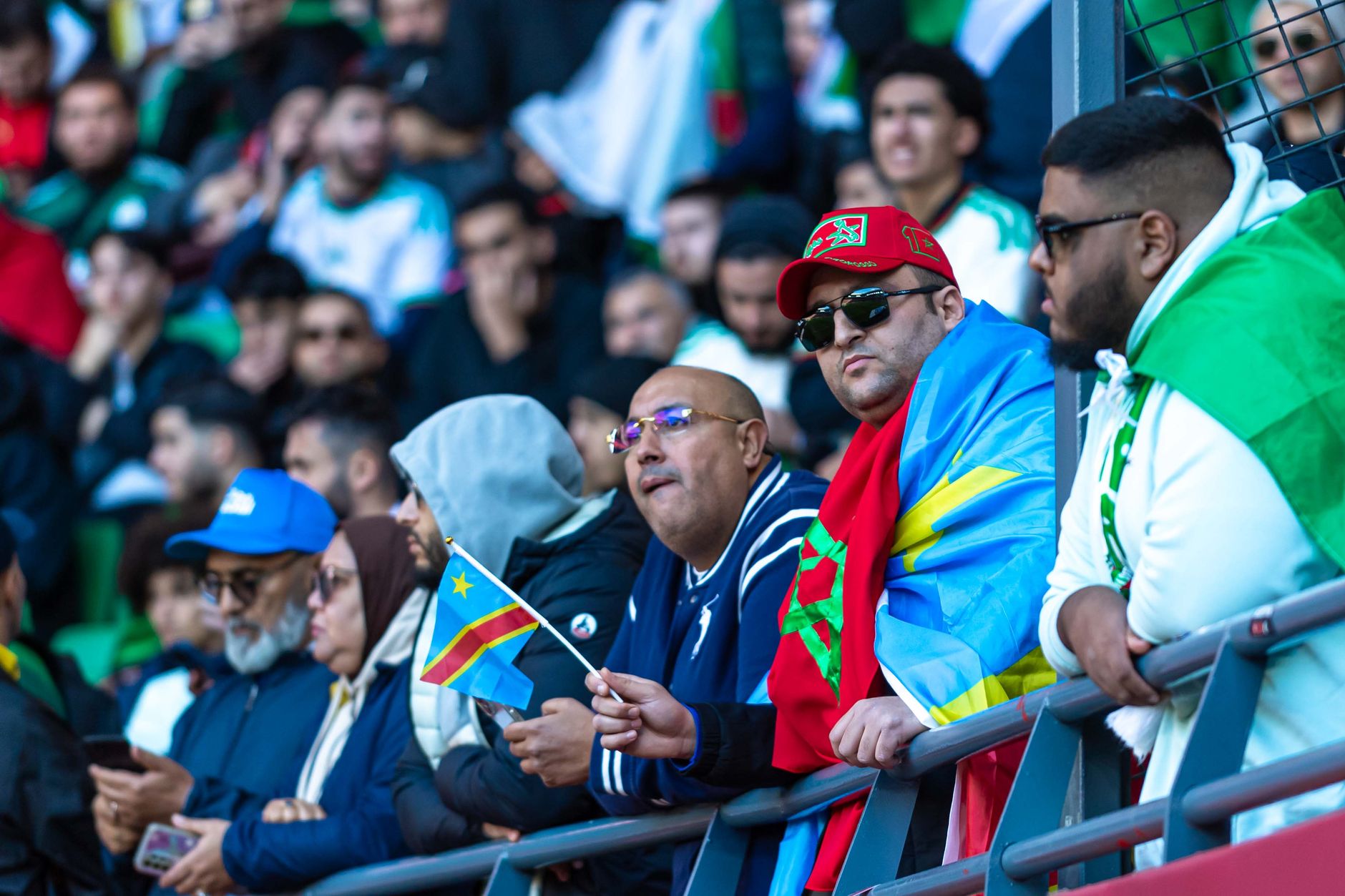
Photo by Guylain Kipoke on Pexels
Thank you for reading.
World Cup Hub · Archive